

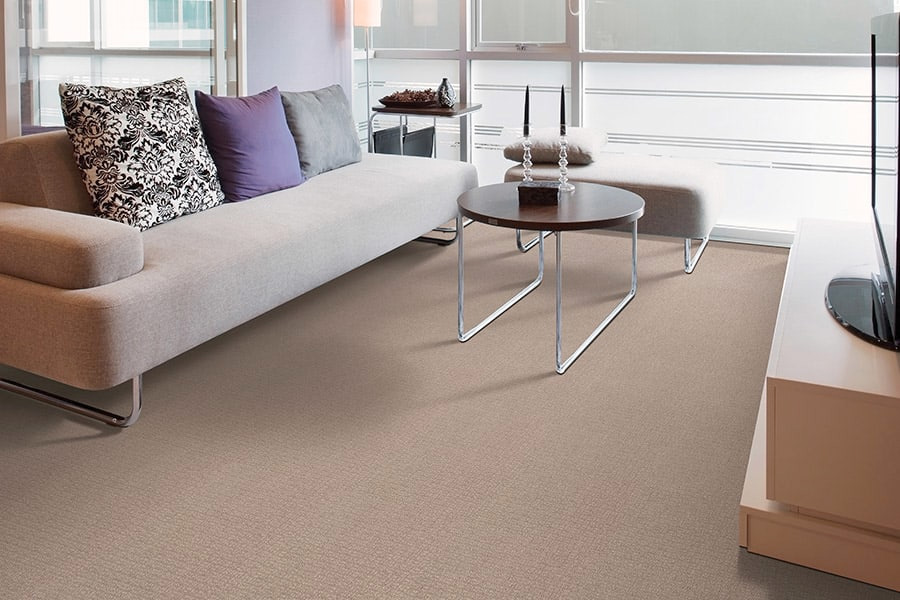
A cold snap hits overnight, the furnace runs nonstop, and suddenly the carpet in your bedroom feels different underfoot. It may look fine, but if the padding underneath is too soft, too thin, or already breaking down, winter makes those problems obvious fast. In a place like central Missouri, the layer below the carpet matters almost as much as the carpet itself.
Padding affects warmth, comfort, and carpet life
Most people shop for color first and texture second. Padding usually lands somewhere near the bottom of the list. That’s a mistake, because the cushion underneath helps your floor feel warmer, reduces noise, and supports the face fiber every day. A cheap pad can let carpet wear out sooner in traffic lanes, especially near beds, sofas, and hallways.
That matters even more during winter because indoor air gets drier while foot traffic goes up. Kids are home more. Boots come in from the garage. Holiday guests make the same paths across the room all week. If you’re comparing stain-resistant carpet styles, make sure you’re thinking about what will support that surface long term, not just what looks good on the sample board.
Density usually matters more than thickness
Thicker does not always mean better. A very thick, spongy pad can actually let carpet flex too much, which stresses the backing and shortens its life. For many homes, a denser cushion gives better support and a more solid feel. That’s especially true in busy family spaces where winter traffic stays concentrated in the same few spots.
In practical terms, homeowners from Columbia often notice this in upstairs bedrooms and living rooms first. The floor may still look good, but it starts feeling loose or uneven underfoot. Pairing the right cushion with durable constructions like textured carpet and frieze carpet helps the whole floor hold up better through repeated seasonal use. If pets are part of the equation, it also makes sense to look at pet-friendly carpet built for real household wear.
Moisture protection matters during winter too
Winter flooring problems are not only about temperature. Snow, slush, and road salt get tracked inside, then melt near entry points and utility areas. If moisture reaches the pad, odors can linger and the cushion can flatten faster. That’s one reason basements, mudrooms, and lower-level rooms need a little more caution in Missouri homes.
Carpet can still work well in the right above-grade spaces, but moisture-prone rooms need different thinking. Carpet Values helps shoppers sort through those tradeoffs with straightforward carpet information instead of guesswork. If a room sees repeated wet boots or damp conditions, it may also be smarter to keep carpet in comfort zones and use the in-stock flooring selection to compare other materials for the splash-prone areas.
Don’t ignore the value side of the decision
Good padding is not the place to cut corners, but that does not mean you need the most expensive thing in the store. The smart move is matching the cushion to the room, the carpet style, and how your household actually lives. A guest room does not need the same build as a main hallway. A quiet home has different needs than one with kids, dogs, and winter traffic all day.
That practical approach is part of why homeowners make the drive to Kingdom City instead of gambling on a tiny sample and a special-order timeline. Seeing a large carpet selection in person helps you compare feel, construction, and value at the same time, with no need to pretend every room needs the same solution.
The best winter-ready carpet floor is a system, not just a surface. The right fiber, the right style, and the right pad all work together. Stop by the showroom if you want to feel the difference in person, or request a free flooring estimate to get a recommendation that fits your room and your budget.


