

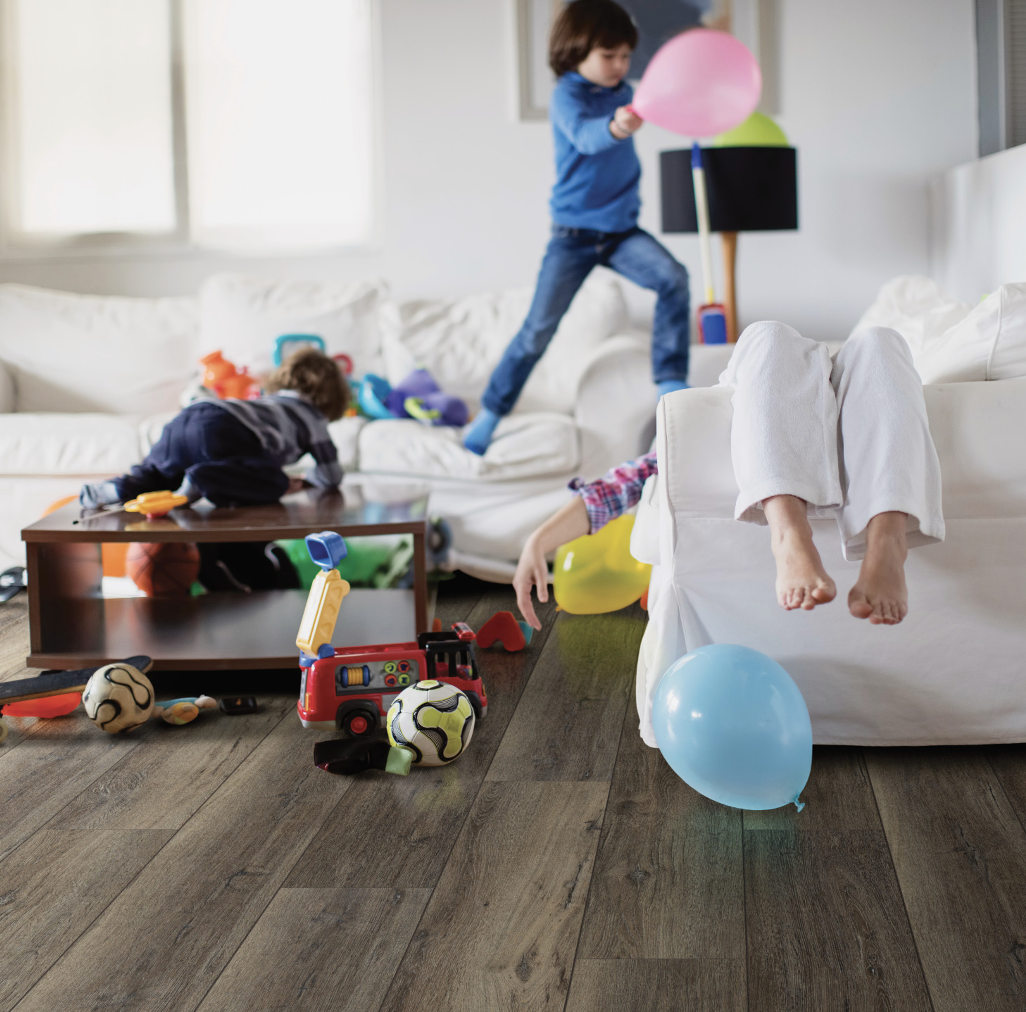
A hard floor can look sharp on day one and still drive you crazy by day ten. Footsteps start to echo, chairs scrape louder than expected, and every dropped toy sounds like it hit a drum. That happens a lot in busy homes with open layouts, especially when families want the clean look of hard surfaces without the noise that sometimes comes with them.
Start with the floor build, not just the surface
Most sound problems come from what sits under the floor, not just the plank or board you see on top. A rigid product installed over an uneven subfloor will often click, tap, or hollow out under traffic. Before choosing color or texture, it helps to compare waterproof luxury vinyl with a realistic sense of how it will sound in your room. Some constructions feel quieter underfoot simply because they have more give and better backing.
Laminate can also perform well, but it usually sounds firmer than vinyl unless the underlayment is doing real work. That is where products like Pergo Elements laminate stand out. Better locking systems and water-resistant construction matter, but so does the pad beneath them. A cheap underlayment can make a solid floor sound thin. A better one softens impact noise and helps the whole installation feel tighter.
Underlayment does the heavy lifting
If you want quieter rooms, underlayment is not an accessory. It is part of the system. Good padding below a floating floor helps reduce the sharp sound of footsteps and limits the slap you hear when kids or pets cut across the room at full speed. Homeowners from Columbia often notice this most in hallways, upstairs bedrooms, and living rooms that open right into the kitchen.
Moisture matters too in Missouri. Seasonal humidity swings can affect how a floor settles and sounds over time, especially if the subfloor was not properly prepped. In lower-level spaces, that is one reason many families lean toward traditional sheet vinyl floors or waterproof LVP instead of materials that dislike damp conditions. Carpet Values also keeps a massive in-stock flooring selection, which makes it easier to compare different constructions side by side instead of waiting weeks on special orders.
Use soft surfaces where noise actually happens
Hard flooring does not have to mean hard sound everywhere. The smartest fix is often to place softness where impact happens most. Runners in hallways, rugs under dining tables, and carpet on stairs can cut down on the noise that bounces through the house. That approach keeps the easy cleanup of vinyl or laminate while taking the edge off the loudest spots.
This is where carpet still earns its keep. In bedrooms, playrooms, and second-floor spaces, pet-friendly carpet styles absorb sound in a way hard surfaces never will. If you already have vinyl in the main living area, adding a rug can make the room feel less echoey and more finished. For homes near Jefferson City or weekend places around the Lake of the Ozarks, that mix of hard flooring and soft accents often gives the best balance of cleanup, comfort, and noise control.
Small installation details make a big difference
A quiet floor depends on details people rarely see. Expansion gaps, subfloor leveling, transition pieces, and furniture pads all affect how much sound carries. Even the best plank can feel noisy if it bridges low spots or rubs at doorways. On the other hand, a well-installed floor with the right pad and a few soft landing zones can feel much calmer than expected.
If you want to keep the look of hard flooring without the extra racket, start by seeing materials in person and asking how each one sounds underfoot. Stop by the Kingdom City showroom to compare surfaces, or request a free flooring estimate to get a practical plan for a quieter home.


